In today’s digital-first world, professional graphic design plays a crucial role in shaping how customers perceive your business. Whether you run a startup, a small local shop, or a growing online brand, the right design choices can make your business look more trustworthy, modern, and established. In fact, brands that invest in professional graphic design often see higher engagement, stronger brand recognition, and improved sales conversions.
In this article, you’ll discover how smart design decisions can make your business appear 10x more professional—without necessarily spending a fortune.
Table of Contents
1. The Power of First Impressions
Your brand’s visual identity is often the first thing a potential customer notices. A well-designed logo, a balanced color palette, and clean typography instantly communicate credibility. On the other hand, inconsistent or poorly designed visuals can make even a good business appear unreliable or amateurish.
Professional graphic design ensures your brand communicates the right message at a glance. Think of design as the “face” of your company—it should inspire confidence, not confusion.
Tip: If you want to look professional, start by redesigning your logo and business card with simplicity and modern aesthetics in mind. Minimalist, balanced layouts often feel more premium and trustworthy.
2. Build a Consistent Brand Identity
Consistency is the secret weapon of top brands. Every touchpoint—from your website and social media pages to packaging and signage—should share a unified look and feel.
A professional graphic designer creates a brand style guide that defines your colors, fonts, imagery, and tone. This ensures your visuals remain cohesive across all channels.
Why Consistency Matters
- Customers remember brands that look the same everywhere.
- It builds recognition and trust.
- It helps your marketing look more polished and professional.
Example: Think about brands like Apple or Nike. Their designs are simple, clean, and instantly recognizable. That’s the power of consistent professional graphic design.
3. Choose the Right Color Palette
Colors evoke emotions. Blue often conveys trust and stability, red symbolizes passion and energy, while green reflects growth and freshness. Choosing the right color scheme for your business can dramatically affect how customers feel about your brand.
Professional graphic design isn’t about picking random colors—it’s about using psychology strategically.
Tips for Smart Color Choices:
- Use no more than three main colors.
- Pick shades that complement your brand’s personality.
- Make sure your text is easy to read against background colors.
- Keep accessibility in mind—contrast is key.
A thoughtful color palette creates visual harmony and makes your designs instantly appealing.
4. Typography That Speaks Volume
Typography can make or break your design. The right font communicates tone and professionalism. Serif fonts (like Times New Roman) often feel traditional and formal, while sans-serif fonts (like Helvetica or Open Sans) look modern and clean.
Professional graphic design leverages typography to express brand character. For example:
- A law firm might choose bold, strong fonts to express authority.
- A creative agency might use sleek, rounded fonts to feel innovative.
- A luxury brand might pick elegant serif fonts to feel exclusive.
Pro Tip: Use no more than two font families—one for headings and one for body text. This keeps your design clean and easy to read.
5. Use High-Quality Visuals
Low-resolution or generic stock photos can make even great designs look unprofessional. On the other hand, high-quality images, custom illustrations, and well-edited product photos make your brand feel premium.
Professional graphic design focuses on image clarity, lighting, and alignment. Every visual should tell a story about your brand’s values.
If hiring a photographer isn’t possible, try using free high-quality stock image platforms like Pexels, Unsplash, or Pixabay. Always choose images that fit your color palette and tone.
6. Invest in a Professional Logo
Your logo is the visual cornerstone of your brand. It appears on everything—from business cards to social media posts. A well-crafted logo designed by a professional graphic designer instantly boosts your business image.
A great logo should be:
- Simple: Easy to recognize at a glance.
- Scalable: Looks good on a billboard and a business card.
- Relevant: Reflects your brand’s message and market.
Avoid using free logo generators—they often create overused, unoriginal designs. Instead, hire a professional or use software like Canva Pro or Adobe Illustrator to design a clean, timeless logo.
7. Design a User-Friendly Website
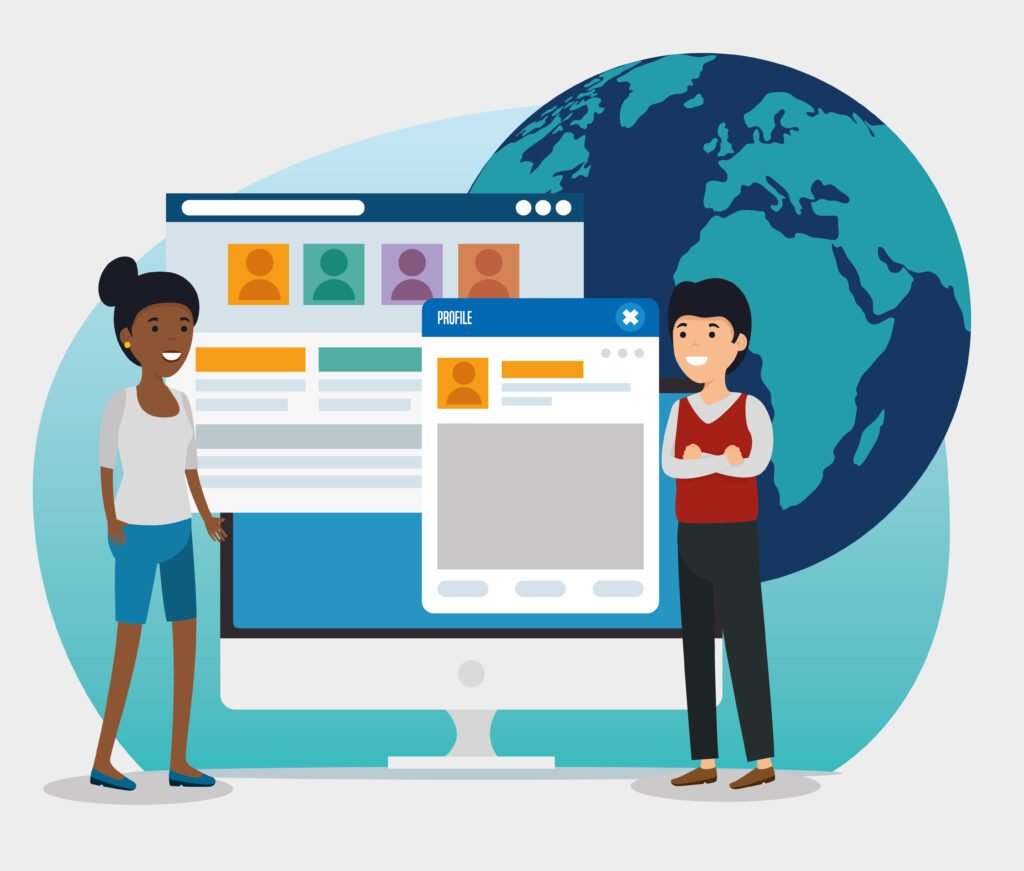
Your website is your online storefront. A cluttered or outdated design can drive visitors away, while a visually pleasing, easy-to-navigate site builds credibility.
Professional graphic design ensures that your website:
- Has a clear layout and navigation.
- Uses consistent colors and fonts.
- Loads fast and works well on mobile devices.
- Includes strong visuals and whitespace balance.
Remember: Good design isn’t just about beauty—it’s about user experience. A clean and functional website converts visitors into loyal customers.
8. Social Media Branding That Stands Out
Your social media pages are where your audience interacts with your brand daily. Every post, banner, and story should follow a visual pattern that strengthens your identity.
Here’s how professional graphic design improves your social media presence:
- Custom-designed templates for posts and stories.
- Eye-catching cover photos and profile images.
- Branded colors, icons, and layouts.
- Consistent image filters and typography.
Bonus Tip: Use tools like Canva, Adobe Express, or Figma to create branded templates you can reuse. This saves time and keeps your visuals consistent.
9. Print Materials Still Matter
Even in the digital era, printed materials—like brochures, business cards, banners, and flyers—make a lasting impression. Well-designed print pieces make your business feel more tangible and reliable.
Professional graphic design helps your print marketing look cohesive and premium. Always ensure:
- Text is legible and aligned.
- The color contrast is strong enough for print.
- The images are high-resolution (at least 300 DPI).
- The design matches your online branding.
A great brochure or poster can do what no digital ad can—it stays in your customer’s hand and memory.
10. Simplicity Is the Key
It’s tempting to fill designs with colors, icons, and animations—but simplicity often feels more professional. White space gives your designs room to breathe and helps highlight what’s truly important.
The best professional graphic designers know when to stop adding. Every visual element should have a purpose—if it doesn’t, remove it.
Clean, minimalistic designs look modern, upscale, and easy to process.
11. Work With Professional Designers
While DIY tools are improving, nothing beats the touch of a trained designer. Collaborating with professional graphic designers ensures your visuals reflect your brand’s goals, audience, and market trends.
When hiring a designer:
- Check their portfolio for relevant experience.
- Ask about brand identity projects they’ve done.
- Be clear about your color preferences and brand tone.
Professional designers don’t just make things “look good.” They make them work strategically for your business.
12. Regularly Update Your Visuals
Design trends evolve. What looked fresh in 2020 might look outdated today. That’s why smart businesses periodically refresh their branding while keeping their core identity intact.
Professional graphic design adapts with the times—whether that’s simplifying logos, modernizing color palettes, or updating packaging.
Keep your design evolving so your brand always feels current and competitive.
Conclusion
Looking professional isn’t just about having a logo or nice photos—it’s about consistency, clarity, and purpose across every visual element of your brand. With smart design choices and the help of professional graphic design, your business can easily look 10x more credible, appealing, and memorable.
In short, design is not an expense—it’s an investment that directly affects how customers perceive your value. When done right, it turns ordinary businesses into trusted brands.